

Lifting heavy and recovering well take fuel, and protein sits at the center of every muscle-building plan. If you skip meat, you may wonder whether your plate can keep up with your training. Plant-based proteins can do far more than many athletes expect. With smart food choices and steady effort in the gym, your next personal record could start with a bowl of lentils.
The Science Behind Plant Protein and Muscle
Every tough workout creates tiny tears in your muscle fibers. Your body repairs them through a process called muscle protein synthesis. It uses amino acids from your food to rebuild each fiber, making it a little stronger.
Your body needs nine essential amino acids that it cannot make by itself. Foods that contain all nine are called complete proteins. Many plant foods run low on one or more of them, so variety matters. Leucine deserves special attention because it acts like a switch that turns muscle building on.
Recent research shows that plants can keep pace with meat. One trial followed 40 young adults through nine days of weight training. Vegan and omnivore diets produced similar muscle-building rates across the study period.
Top Plant-Based Protein Sources for Athletes
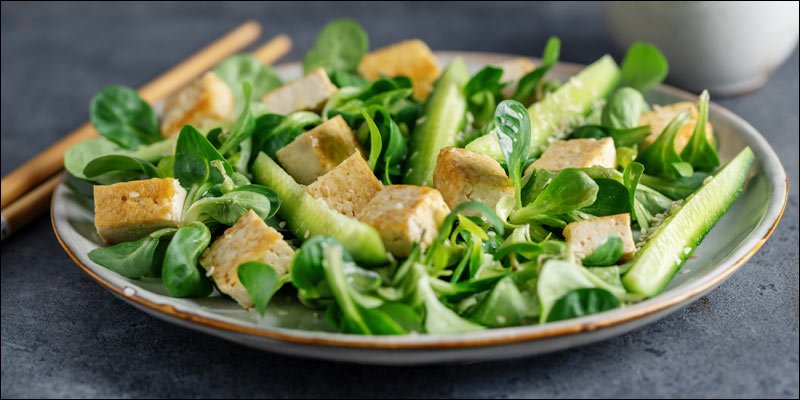
A varied menu makes it easier to cover every amino acid your muscles need. Build your meals around these protein-rich staples:
- Tempeh: This fermented soybean cake is a popular choice among athletes. Its firm, nutty texture holds up well in stir-fries, bowls and sandwiches.
- Tofu and edamame: Both come from soybeans, which provide all nine essential amino acids. Tofu soaks up any marinade, while edamame makes an easy post-workout snack.
- Lentils and beans: These legumes pair protein with complex carbs that help refuel your muscles after hard sessions.
- Seitan: Made from wheat gluten, seitan delivers a dense dose of protein with a meaty chew. Skip it if you avoid gluten.
- Quinoa: This seed cooks like a grain and contains all nine essential amino acids, which makes it a smart base for grain bowls.
- Hemp, chia and pumpkin seeds: Sprinkle them over oats, salads or smoothies for a quick protein boost.
Daily Protein Targets for Muscle Gain
How much you eat matters just as much as what you eat. For athletes focused on muscle growth, many sports nutrition experts recommend 1.2 to 1.6 grams of protein per kilogram of body weight each day. Plant-based proteins count toward that total just as animal sources do. For muscle growth, experts often cite 1.6 grams per kilogram daily as a solid target. For a 70-kilogram athlete, that works out to about 112 grams per day.
Plant foods tend to be less protein-dense than meat. You may need larger portions or an extra snack to reach your number. Spreading your intake across three to five meals makes the target much easier to hit.
Smart Strategies for Maximizing Plant Protein
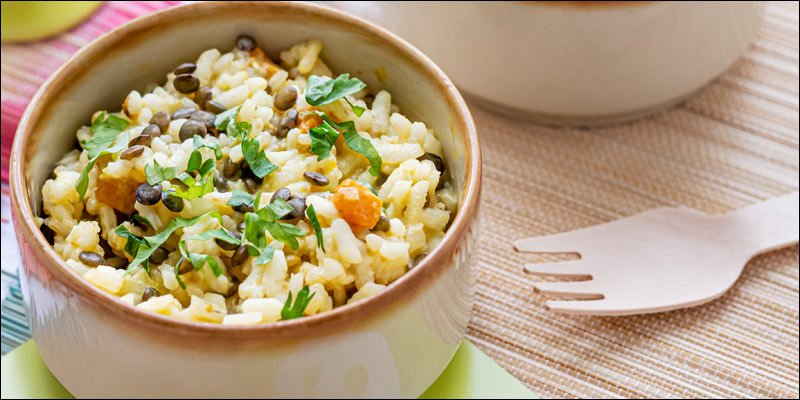
A few simple habits help you get more from every meal and every training session:
- Combine your sources: Pair rice with beans or peas, since each food fills amino acid gaps the other leaves behind.
- Refuel after training: Enjoy a protein-rich meal or snack within a few hours of your workout to support recovery.
- Use a powder on busy days: Many plant-based protein powders skip whey entirely, so they fit easily into a vegan routine.
- Prep meals ahead: Cook a batch of lentils, tofu or tempeh on the weekend so a high-protein meal is always ready.
- Lift consistently: Protein supports muscle growth, but progressive resistance training drives it.
Muscle-Building Success on a Plant-Based Plate
Building muscle without meat comes down to the same basics every athlete relies on. Choose a varied mix of plant-based proteins, aim for your daily target and keep challenging your muscles in the gym. Over time, your plate and your training can work together to help you grow stronger with every rep.
