
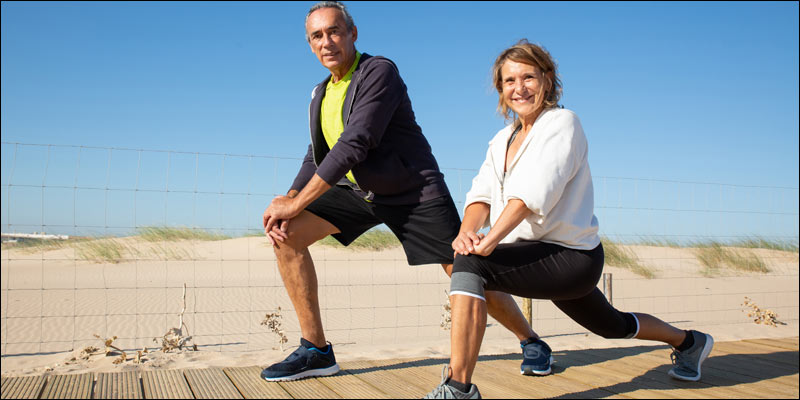
Retirement opens the door to a truly exciting time in your life. Now, you have more time to invest in your health and well-being without the demands of a full-time career. You can finally prioritize the fitness routines and active lifestyle senior living you’ve always wanted. Whether you’re looking to build strength, improve balance or simply stay energized, now is the perfect moment to focus on what keeps you feeling your best.
1. Boost Your Cardiovascular Endurance
Staying active can feel much simpler when you understand the four main types of exercise that help maintain overall wellness — endurance, strength, balance and flexibility. You might find that activities like brisk walking, swimming or dancing are enjoyable ways to get your heart pumping and your breathing going.
According to Cornwall Manor, one of the top-rated senior communities for healthy living, “As little as three hours of exercise a week has incredible benefits for you as you get older, such as reduced risk of developing disabilities or chronic conditions.” Starting with what works for you is a great way to take care of your health.
2. Build and Maintain Your Strength
Strength exercises make daily tasks easier and help you maintain your independence as you age. Simple activities like using resistance bands or lifting light weights can strengthen your muscles without requiring a gym membership.
Cornwall Manor also notes that you don’t have to go to a fitness center to stay active. You can take a walk after lunch or take the stairs instead of the elevator. If you’d rather stay active with others, retirement villages with sports facilities can provide the equipment and community support to keep you motivated.
3. Sharpen Your Balance and Coordination
Balance exercises are essential for preventing falls, which remain a major concern for older adults. Practices like tai chi and yoga help you work on balance, strength and flexibility simultaneously, giving you multiple benefits from a single routine.
4. Focus on Your Flexibility and Mobility
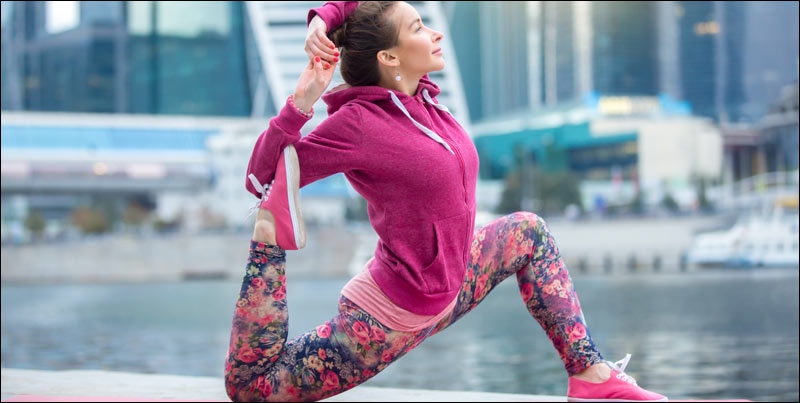
Flexibility is important because it helps your body stay limber and can lower the risk of injury when you’re active. Gentle stretching, yoga or Pilates can improve your range of motion and make everyday movements feel easier. As your flexibility improves, you might also notice it becomes easier to take part in cardiovascular and strength exercises, since your joints can move more freely.
5. Set Realistic and Motivating Goals
Staying motivated requires clear, achievable goals that match your current abilities. Cornwall Manor suggests starting with simple steps, such as setting both short- and long-term goals for yourself. For example, you might aim to complete a 30-minute exercise session as a short-term goal. Over time, your long-term goal could be walking 2 miles comfortably without feeling out of breath.
6. Connect Through Social and Group Activities
Exercising with others brings mental and emotional benefits that extend well beyond physical fitness. Sharing activities with friends or loved ones can strengthen social connections. Research shows that spending time with others can help lower your risk of depression and anxiety and contribute to a longer, healthier life. Reaching out for company on your wellness journey can make the experience more enjoyable and rewarding.
Putting Your Active Retirement Plan Into Motion
An active retirement can be both fulfilling and within your reach when you focus on positive, manageable strategies. By weaving cardiovascular endurance, strength training, balance exercises, flexibility work, realistic goal-setting and social connections into your daily life, you’re giving yourself the best chance for lasting vitality and well-being.
