
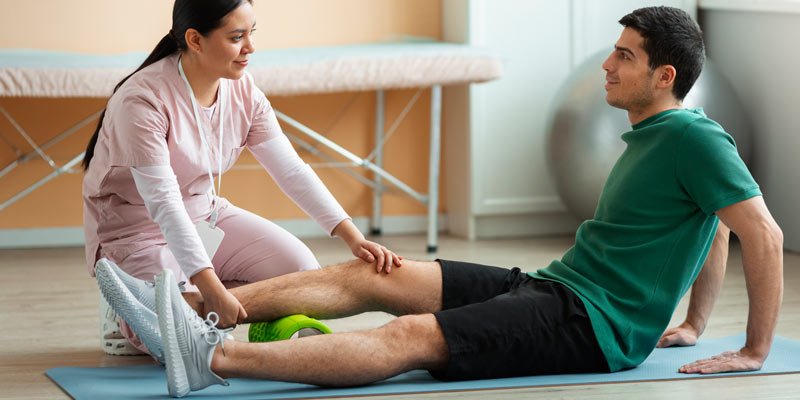
Injuries can interrupt even the most consistent training routine, but the right movement can often play an important role in getting back to normal. The top recovery exercises depend on the injury, its severity and where you are in the healing process. While rest may be necessary initially, gradually reintroducing controlled movement can help restore mobility, strength and confidence without putting unnecessary strain on the affected area.
Why Exercise Can Help With Injury Recovery
It’s tempting to completely stop moving after an injury. However, in some cases, prolonged inactivity can lead to stiffness, weakness and reduced mobility, making it harder to return to your usual workouts.
Appropriate rehabilitation exercises provide a controlled way to gradually challenge injured tissues. They can help maintain your range of motion, rebuild strength and improve stability around a joint or muscle. The key is choosing movements that align with your injury and your current stage of recovery, rather than pushing through pain.
A physiotherapist or other qualified healthcare professional can help determine which exercises are appropriate, particularly after a significant injury or one that hasn’t improved with rest. Physical therapy can help you build your strength back and reduce your risk of needing surgery for your injury.
1. Shoulder Injuries: Pendulum Exercises

Shoulder discomfort is relatively common among gym-goers, particularly those who regularly perform pressing, pulling or overhead movements. Pendulum exercises are a gentle way to introduce movement without placing a significant load on your shoulders.
Lean forward while supporting yourself with your unaffected arm, allowing the injured arm to hang loosely. Gently move it in small circles or allow it to swing forward and backward.
2. Lower Back Pain: Walking
Walking is one of the simplest recovery activities, and it’s often overlooked because it doesn’t look like a traditional rehab exercise. For many people with uncomplicated lower back pain, gentle walking can promote movement without the heavy loading of exercises such as deadlifts or barbell squats.
Core-strengthening exercises can also be useful during recovery. Bird dogs, dead bugs and modified planks can train the muscles around the trunk while allowing the intensity to be adjusted. However, back pain accompanied by symptoms such as leg weakness, numbness or problems controlling your bladder or bowel requires urgent medical assessment rather than an exercise program.
3. Ankle Sprains: Calf Raises
Ankle sprains are particularly common in people who run, jump or participate in sports, but they can also happen during quick movements at the gym, when it’s easy to twist your ankle.
Once the acute pain and swelling have settled sufficiently, calf raises can help rebuild strength in the muscles surrounding the ankle. Stand near a wall or sturdy surface for support, slowly raise your heels, pause briefly at the top and then lower them under control.
4. Elbow and Forearm Injuries: Wrist Curls and Extensions
Repetitive gripping and pulling can place considerable stress on the muscles and tendons around the elbow and forearm. This is particularly relevant for people who frequently perform rows, pull-ups, curls or heavy carries.
Once symptoms have settled, light wrist curls and extensions can help gradually restore forearm strength. Use a very light weight and move slowly, focusing on controlled repetitions rather than trying to fatigue the muscles.
The same principle applies to grip work. Start with low resistance and increase it gradually instead of immediately returning to heavy lifting.
5. Knee Injuries: Straight-Leg Raises
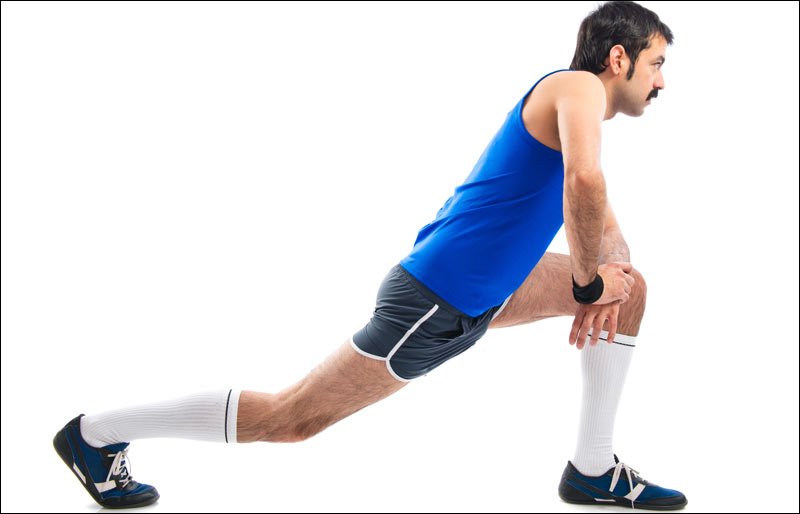
Knee pain can make squats, lunges and running uncomfortable, but completely avoiding movement isn’t always the best approach. Straight-leg raises can help maintain and build quad strength without requiring repeated knee bending.
Lie on your back with one knee bent and the other leg straight. Tighten the thigh of the straight leg, then slowly lift it until it’s roughly level with the opposite knee before lowering it with control.
Return to the Gym With the Top Recovery Exercises
Getting back into training is about more than waiting for the pain to stop. You also need enough strength, mobility, and control to handle the demands of your usual workouts. The top recovery exercises should help you progress from basic rehabilitation to the activities you enjoy.
