

You just survived a grueling leg day, tackled a set of heavy squats and felt like a champion walking out of the gym. Then, two days later, getting up from the couch feels like a huge feat. Most fitness lovers understand that tender and achy feeling all too well. But how do you know when your post-workout discomfort is just from your effort or a sign of something more serious?
What Normal Muscle Soreness Feels Like After a Workout
When you challenge your muscles with unfamiliar exercises, heavier weights or high-intensity intervals, you create tiny micro-tears throughout the muscle fibers. This natural reaction triggers inflammation, leading to what fitness professionals call delayed onset muscle soreness, or DOMS.
Rather than striking immediately after your workout, DOMS often peaks a few days after. It can feel like a dull and widespread stiffness across your worked muscles, making them feel tender to the touch or tight when you stretch.
The good news is that your body is resilient, and with enough rest and nutrition, it can usually repair this microdamage within two to three days. The result is that your muscles get stronger and become more adaptable for your next session.
How Different Injuries Affect the Body
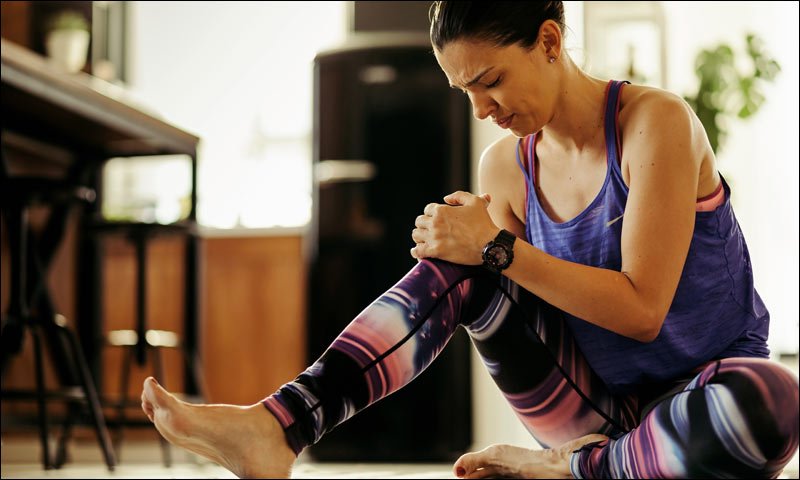
Not every ache after a workout is the same. Exercise takes a coordinated effort across your tissues, with different structures responding differently to physical stress. While sore muscles generally recover quickly, prolonged repeated strain can damage muscles, tendons or nerves.
That’s why symptoms can feel so different from person to person. Tendons, which connect muscle to bone, have lower blood flow and take longer to heal when inflamed. Meanwhile, nerves serve as your body’s communication lines. When they’re irritated or compressed, they trigger warning sensations. Because each tissue type responds differently to mechanical load, knowing which structure is signaling these warnings can help you address the issue and find relief sooner.
Signs Your Pain Might Be Nerve-Related
Unlike the dull ache of a tired muscle, nerve pain often manifests as a distinct, electric sensation that’s hard to ignore. When your peripheral nerve gets irritated, compressed or injured, it changes how sensory signals travel to and from the central nervous system.
Common signs of nerve issues include:
- Pins and needles: This will feel like unexplained numb or tingling sensations in your hands, feet or other extremities.
- Radiating or shooting pain: The sensations may travel along a pathway, such as a sharp pang starting in your lower back, then moving into your glute and hamstring and down your calf.
- Altered sensation: If your skin feels hypersensitive, you notice burning or you feel as if you’re wearing an invisible sock or glove, this could be nerve-related.
- Sudden weakness: Functional weakness, like an arm giving out or foot drop, is a warning sign of more than just muscle fatigue.
Nerve symptoms often start upstream from where you feel them. So if you’ve lifted especially heavy weights or used improper form, it could cause a bulging disc that compresses a nerve root in the spine, causing pain far down the leg, for example.
If you notice persistent numbness, pain radiating in your neck, forearm or fingers or any loss of sensation without a clear cause, these are signs you should see a medical professional.
How to Tell Soreness and Nerve Pain Apart
You can do a quick self-check to determine whether you’re experiencing normal post-workout aches or nerve pain. You’ll want to consider where the pain is coming from, how painful it is and how it responds to movement and rest to tell the difference.
Typical post-workout soreness is around two or three out of 10. It feels like a deep ache only in the trained muscles and loosens with gentle movement.
Nerve pain feels more intense and stops you in your tracks. It often radiates along a nerve line into your fingers or toes and doesn’t feel better after basic stretching. It might also intensify with different postures. If you notice any pain that keeps you from moving joints or doesn’t improve with rest, you’ll want to get professional medical attention.
How to Recover From Normal Soreness
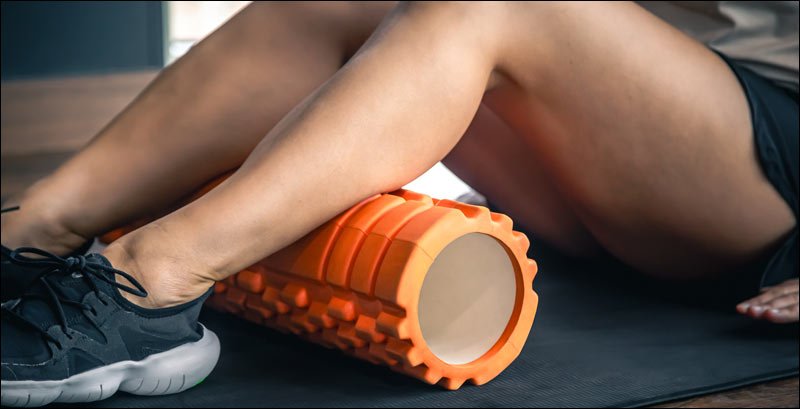
If you’ve determined the post-workout ache is due to regular soreness, there are some options that can help you feel better.
Different options include:
- Gentle exercises: Instead of staying sedentary on the couch, do basic movements. This can improve circulation and may help move blood to your sore legs without adding stress. An easy walk, gentle cycling or swimming can take pressure off your tender joints.
- Foam rolling: A few minutes on each muscle group can help ease tension and improve your temporary range of motion.
- Restorative yoga: Gentle, flowing sequences can strengthen your tight tissues without overloading them.
- Massage therapy: Targeted bodywork or massage can help ease stiffness and promote relaxation.
- Hydration and nutrition: Eat high-protein meals and nutrient-rich whole foods to support recovery. Drink plenty of water to help your tissues repair themselves.
How to Lower Your Risk of Workout Injuries
While some muscle fatigue happens as you push yourself in workouts, true injuries can derail your fitness journey for weeks or months. You can lower your risk of injuries with careful and thoughtful habits.
| Injury Prevention Tip | What to Do |
| Warm up dynamically | Spend up to 10 minutes doing dynamic stretches before lifting heavy weights or sprinting. |
| Follow the progression rule | Gradually increase how often you train or the intensity of your workouts by a small percentage each week to avoid deeper issues. |
| Invest in proper footwear | Replace your running or training shoes regularly to ensure they provide adequate support and cushioning. |
| Add variety | Combine your strength work with aerobic exercise and flexibility training to help lower the risk of repetitive stress. |
Trust What Your Body Is Telling You
Post-workout aches are all part of getting stronger, but genuine pain may be trying to tell you something. Now that you know the differences between routine soreness and nerve warning signals, trust your intuition. Respect your limits, honor recovery days and consult with your physician or physical therapist if something feels off.
