

You’ve built a strong core, yet your lower back still feels stiff and achy. Sometimes, your favorite core exercises might put extra pressure on your spine. Explore common movements that could strain your back and four habits that can help you build a safer, stronger core.
Why Your Core Plays Such a Big Role in Protecting Your Spine
Your core is a team of muscles that helps steady your spine whenever you move. These muscles include your abs, lower back and glutes, all working together to support your spine and keep it flexible. Strong glutes, for example, can help take some load off your lower back.
Focusing on core strength can make a real difference for back health. The key is picking the right moves. Some exercises are gentler on your spine, while others can actually trigger irritation in the very area you’re hoping to protect.
Core Exercises That Might Bother Your Back
A few familiar movement patterns can carry hidden risks for your spine.
Standing Toe Touches and Leg Lifts

Reaching for your toes while standing can put pressure on spinal discs and overstretch your hamstrings. Leg lifts ask a lot from your core, too, and if your abs aren’t quite ready, your back might take up the slack and end up feeling sore. If you notice your lower back arching off the floor during leg lifts, that’s your body’s way of asking for a gentler approach.
Weighted Side Bends
Dumbbell side bends are often used to target the obliques, but holding a heavy weight on one side can load your spine unevenly. Imagine your spinal discs like jelly doughnuts. Too much sideways force could increase your risk of disc herniation, or squishing those doughnuts. Lighter weights or alternative moves can be much kinder to your back.
Traditional Sit-Ups and Crunches
Sit-ups are isotonic exercises, meaning they move your spine through its range of motion under load. Because they require repeated lumbar spinal flexion, or repeated forward curling of your lower back, they may bother your back if it’s sensitive.
Some people experience lower back discomfort when performing these exercises, especially if the movement is done quickly or without careful attention to form. Adjusting technique, pace or trying alternatives can sometimes make these feel more comfortable.
How to Protect Your Spine While You Train Your Core
Building core strength is still important. With a few tweaks, you can help protect your back and get even better results. Here are four simple habits for safer, more effective core work.
1. Brace Your Core Before You Move
Before you lift, curl or twist, tighten your whole midsection as if you’re about to be bumped. Unlike simply pulling the belly button inward, this movement may support spinal stability. Remember to keep breathing naturally instead of holding your breath.
2. Swap In Spine-Friendly Alternatives
The farmer’s carry is a simple alternative to traditional sit-ups that trains your core without repeated spinal curling. Since your core stays engaged while you walk, this move challenges your midsection and balance in a spine-friendly way. Research shows that this movement activates the abdominal and lower back muscles.
Here’s how to perform the exercise:
- Hinge at the hips: Squat down and pick up your dumbbells with a straight, neutral spine.
- Set your shoulders: Pull your shoulder blades back and down, arms straight.
- Walk tall: Walk the length of a hallway or a gym.
3. Build Core Strength to Support Spinal Stability
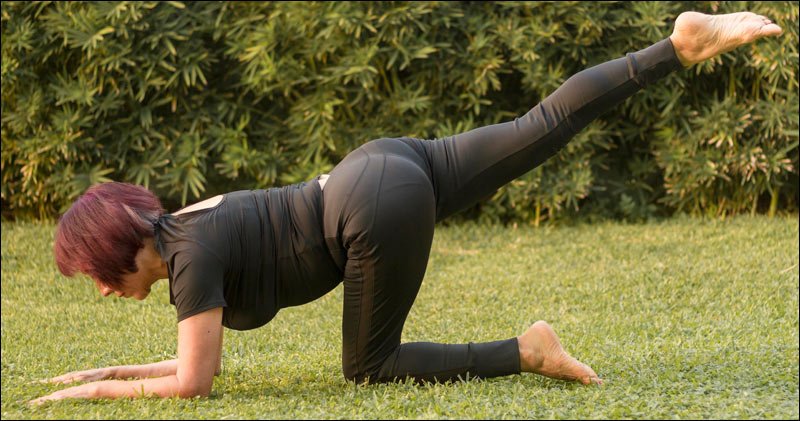
The back depends on strong core muscles to support the body’s weight and allow for a comfortable range of motion. Making time a few days each week for core work may help. Choose exercises that match your current strength and focus on proper form so you can build stability without adding unnecessary strain to your back.
Studies have found that core training can help people with chronic nonspecific low back pain experience significant improvements in pain and overall better function. Pilates seemed to help alleviate discomfort the most, while core resistance training seemed to help daily function the most.
Exercises, such as glute bridges, double-leg abdominal presses and modified planks, may help build your core strength. If you have current back issues or are recovering from an injury, do a quick check-in with your healthcare provider before trying out new exercises.
4. Treat Pain as Your Stop Signal
It’s normal for muscles to get tired during a core workout. However, experiencing sharp or intense pain is a warning sign. If a sudden, focused twinge appears, it could mean something is off with the form or the load is too high. When pain appears in the lower back or joints, pause to check alignment. If discomfort lasts, reaching out to a doctor or therapist before trying again is the safest choice.
Strong Backs Start With Smarter Core Training
Building a strong, balanced core is a powerful way to protect your spine and support overall well-being. By choosing gentle, intentional movements and listening to the body’s feedback, you can strengthen key muscles without putting unnecessary strain on your back. Even a few mindful adjustments can make core workouts safer and more effective, helping to reduce discomfort and support an active, comfortable lifestyle.
