
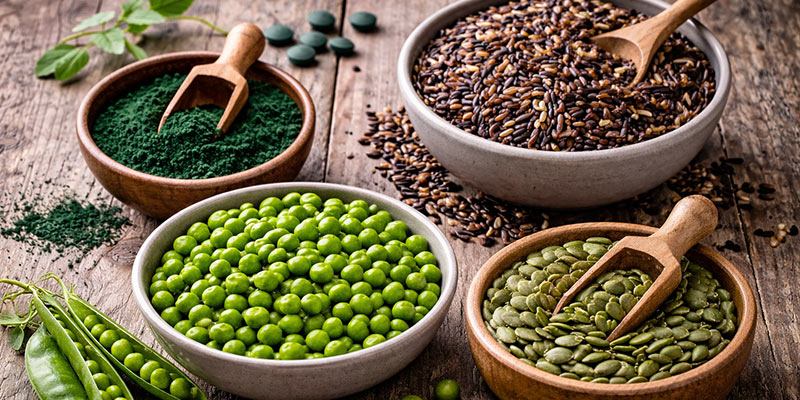
Fitness on a plant-based diet often means eating a variety of lentils, chickpeas, and tofu to reach your protein goals. However, there are plenty of other options for your nutritional needs. It’s essential to keep your meals varied to maximize your nutrient intake and optimize recovery. Here are eight overlooked protein sources that go beyond the basics.
1. Spirulina
Spirulina has become a superfood phenomenon despite its unconventional source. The nutritional supplement is derived from algae and packs a punch.
One tablespoon serving contains 4g of protein at just 20 calories. You can add it to protein bars, smoothies, and other nutritional recipes.
2. Wild Rice
You may hear people debate between brown and white rice. However, wild grain may be the actual winner. This side dish includes 7g of protein per cup of cooked rice.
It’s an excellent way to add macronutrients to your meal without increasing portion size or finding another meat alternative.
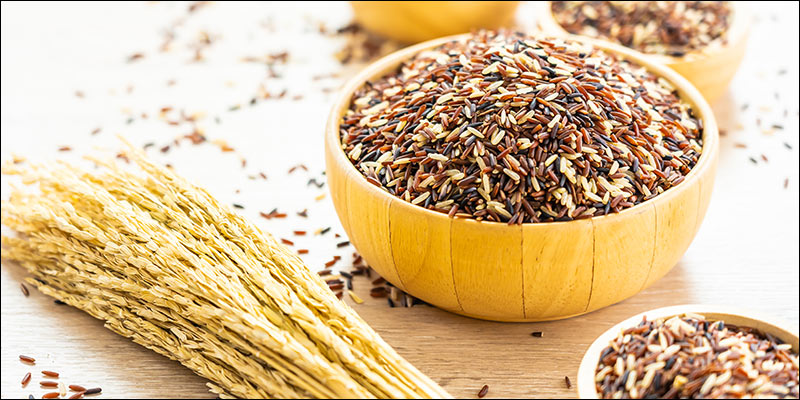 Wild Rice
3. Hemp Seeds
As a health enthusiast, you look for ways to enhance traditional meals. Hemp seeds are tiny and easy to add to Greek yogurt, oatmeal, and salads.
This plant-based product has a nutty flavor and pairs naturally with your favorite meals. One serving delivers 9.5g of protein while helping your magnesium intake.
4. Nutritional Yeast
Some plant-based diets exclude cheese and other dairy products. If you need an alternative, consider nutritional yeast for pastas and salads.
This substitute gives you 5g of protein per serving and 2g of fiber. Consider it a superfood for its B12 content, which supports muscle growth by supporting oxygen transport in the body.
5. Seitan
Seitan is among the best plant-based options for maximizing gains. You only need 3.5 ounces to add 25g of protein to your favorite dishes, from curries to tacos.
Seitan’s versatility means you can add it to nearly any dish. While plain on its own, the meat substitute easily takes on the flavors of different sauces and seasonings, enhancing the experience.
6. Green Peas
Green peas are a simple side dish or a minor ingredient in your meal. However, they have more protein than you might think.
These legumes have 4.8g of protein per serving, so prioritize peas when shopping for vegetables. A 2026 study said they’re essential to a sustainable future due to their bioactive compounds and protein content.
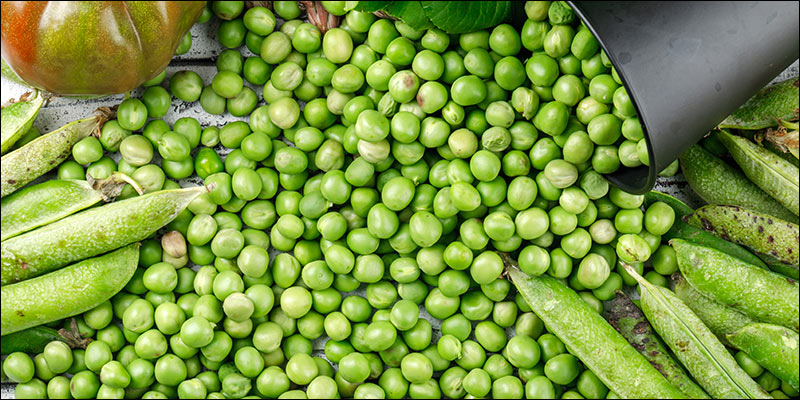 Green Peas
7. Pumpkin Seeds
It’s essential to have high-protein ingredients you can use as snacks and meals. Pumpkin seeds fill that requirement, as they’re nutritious and versatile. Add them to salads and baked goods or eat them plain.
One serving could elevate your meal, as pumpkin seeds offer 9g of protein per 30g. You can eat them raw or roast them to boost their flavor.
8. Mycoprotein
You may add mushrooms for extra protein when sticking to a plant-based diet. However, you can go the extra mile with mycoprotein, another item from the fungi kingdom.
Mycoprotein comes from a fungus, though it’s safe to eat. Experts say it has a balanced nutritional profile, providing high protein and fiber. Meanwhile, it remains low in fat.
Maximizing Protein on a Plant-Based Diet
Building a high-performing body on a plant-based diet is meaningful and rewarding. While tofu and chickpeas are popular, there’s a whole world of foods with diverse nutritional offerings. Seitan and spirulina are just a few of the convenient ingredients that can boost protein in your favorite dishes.